


Happy Monday 👋
We hope you’ve been enjoying the absolutely gorgeous sunshine that’s been brightening the week!
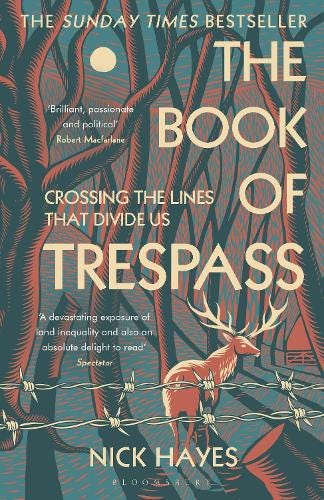
As promised, here is the first of our newsletters in the new fortnightly format. This fortnight, we look at the re-launch of youth activism on climate change; harnessing access to nature for mental health and the ramping up of EV charging points. Mari explores the culture of land exclusion and why it matters environmentally in her review of The Book of Trespass by Nick Hayes.
It was also World Water Day on March 22nd - let us know if and how you celebrated!
👀 Articles to Read
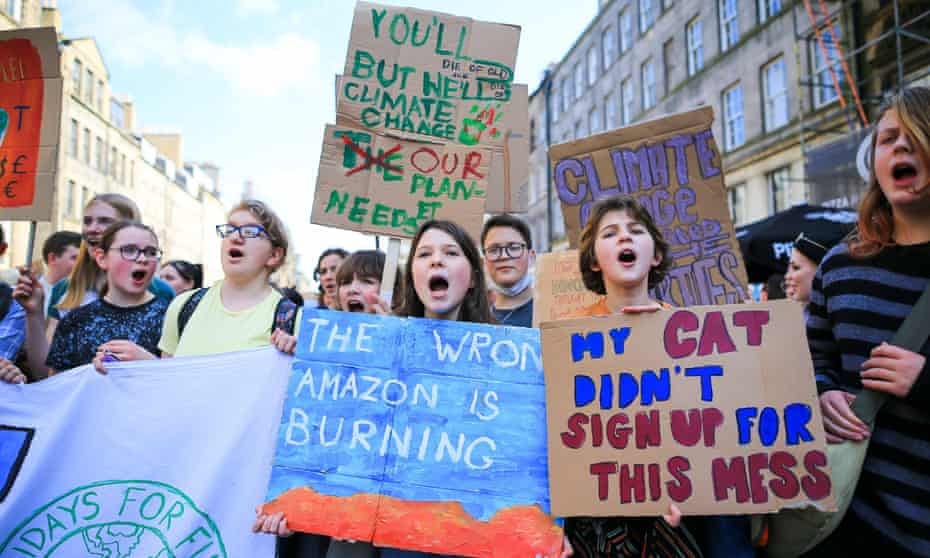
✊ Fridays for Future school climate strikes resume. The Fridays for Future climate marches, started by Greta Thunberg, resumed on Friday. These were the first strikes since the COP26 climate summit in Glasgow. There was an emphasis on climate reparations and the invasion of Ukraine.
🏖️ The battle to clean up Cornwall’s beaches. Anyone who has recently been to a beach in the UK or elsewhere will know that plastic pollution is a very visible issue in the marine environment. However, there is reason for optimism thanks to all of the beach clean champions working to return these beautiful beaches to their plastic-free state. This includes the impressive work of Beach Guardian’s Emily Stevenson and Cornish residents of all ages.
🏞️ How nature is helping mental health. A growing number of people are using nature to improve their health and wellbeing, which has only increased over the pandemic. This includes a rise of ‘green social prescribing’, where health and community services refer people to nature projects. Just a two-hour ‘dose’ of nature a week can significantly improve health and wellbeing.
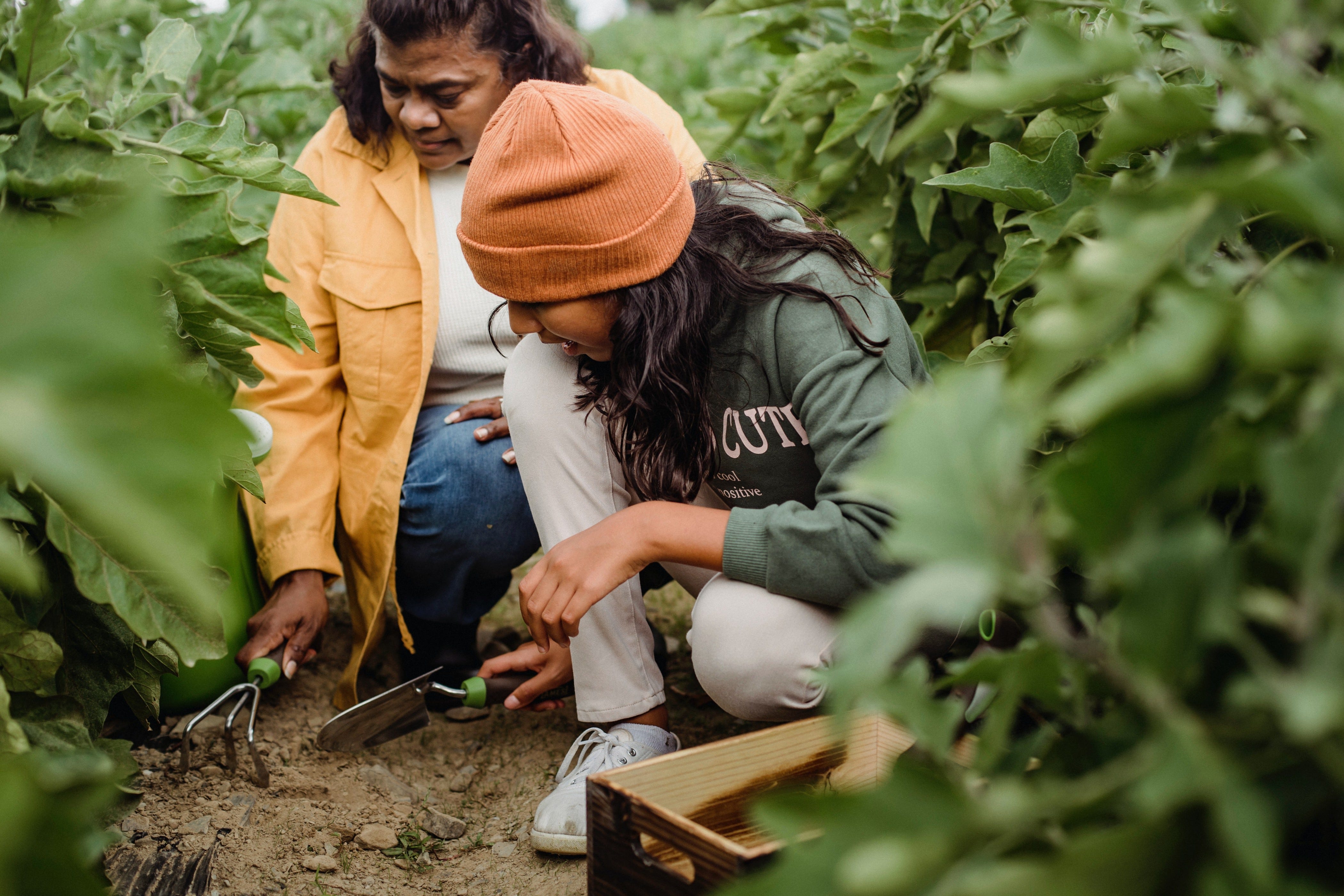
🌳 Tree planting scheme takes off in Wales. One of the mitigating solutions to climate change is to plant more trees, and Cardiff Woods is doing just that. The group plans to increase tree cover in Cardiff from 18.9% (2018) to 25% by 2030 and anyone can get involved.
🚘 Electric car charge points to overtake fuel pumps. The number of electric vehicle (EV) charging points will reach 300,000 by 2030, but is this roll out fast enough? The UK currently has only 30,000 public EV charge points, and is hoping to overtake the number of fuel pumps fivefold.
You can read a bit more about why this matters in one of our previous posts here.

📚 🦌Book Review: The Book of Trespass by Nick Hayes - Mari
Summary
This travelogue-cum-social commentary documents Nicks’ experience ensconcing himself in areas of natural beauty around England and generally engaging in thoroughly wholesome activities, including wild camping and appreciating the stunning flora and fauna. The twist is that he is breaking property law every step of the way. By trespassing on private estates throughout England he hopes to expose what an unreasonably large proportion of its land is private, excluding us from its benefits (and from what many consider to be a human right).
Themes explored - just a handful of key things that stood out to me!
Animals as metaphors: Each chapter takes on the name of an animal as an allegory of the theme it explores: for example the "cattle" chapter looks at the slave trade and how the elite derived excessive wealth off the backs of the slaves they treated like cattle to build their estates. The “toad” chapter looks at caricatures like the “Toad of Toad Hall” in illustrating the excesses of the nobility and explores how freshwater habitats and its inhabitants care little for manmade boundaries.
History and the law: All land in England used to be common - available to whosoever needed it. William the Conqueror’s first land grab to reward his nobility in 1066 began the trajectory of nobility closing off land for hunting and sheep rearing, disenfranchising countless people and denying them of livelihoods, food and shelter. Nick effectively dismantles the idea of land property as a “doxa” (a belief that has become so normalised and authoritatively maintained in society that it’s no longer questioned) - both in his writing and in showing that his trespassing never causes any harm.
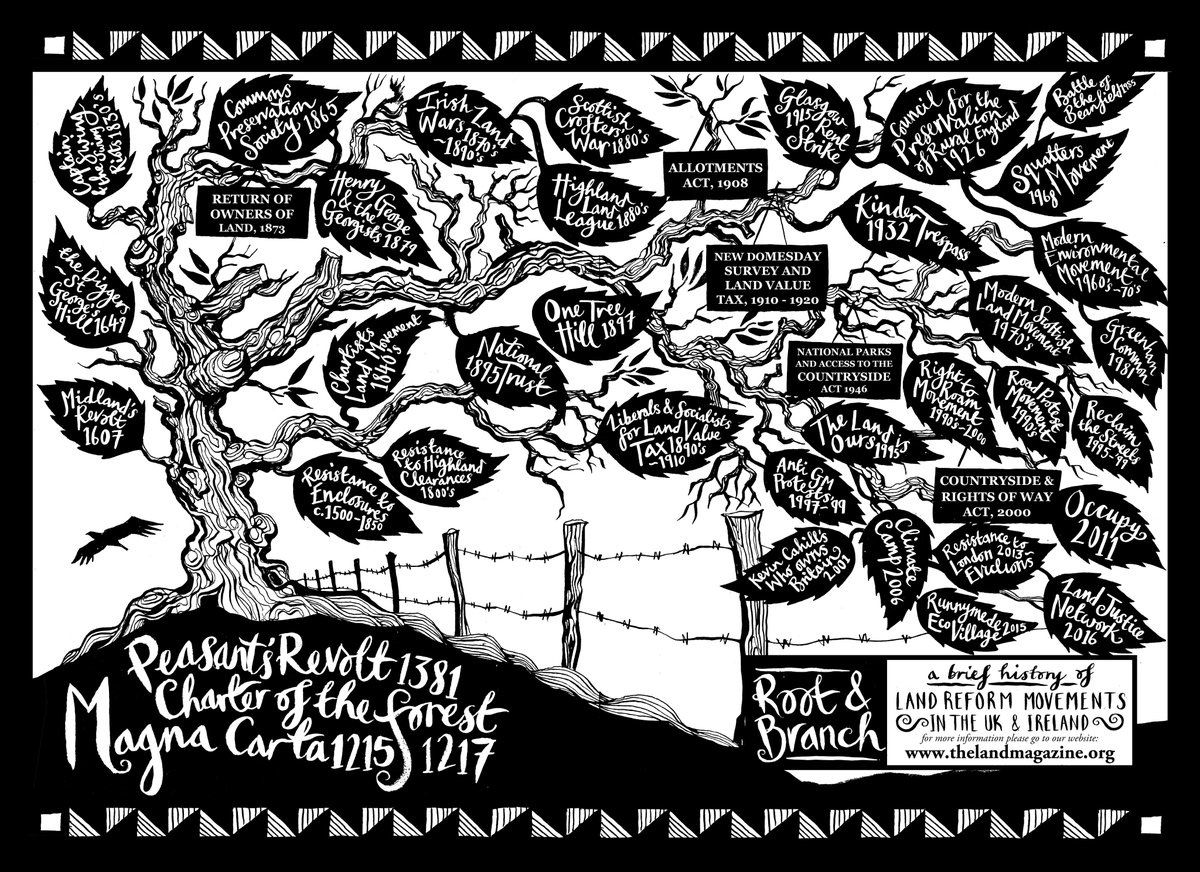
Intersectionality: Nick explores interactions between the culture of land exclusion, classism, capitalism, racism, misogyny and other social issues. For instance, he highlights how a narrative of immorality and dirtiness was used against travellers and gypsies during the Tudor period for crossing boundaries (in a bid to force everyone to remain tied to land so they had to pay tythes to landlords). Compared to the cruel language we see in the papers about migrants and refugees today, we start seeing some worrying similarities.
Why does this book matter in a climate change and environmental context?
For me, this book evoked the concept of fortress conservation - the exclusion of (often indigenous) people from protected areas. This is done in the name of nature preservation, despite the fact that indigenous people typically manage ecosystems effectively (in contrast with far more damaging, exploitative relationships between colonialists and nature). I was lucky enough to grow up in the middle of beautiful countryside, and I attribute the lion’s share of my care for the environment to that. Reading this book made me think: “how can we possibly get people to care about nature, feel the need to protect it or make environmentally conscious decisions if they barely even get to see or connect with nature?”
The book also highlights that concentrating land use decisions amongst the land owning elite aggravates climate change. For example, grouse shooting is very popular amongst those wealthy enough to partake. Swathes of peatland are burned every year to maintain the heather that the grouse live in, releasing tonnes of methane - a powerful greenhouse gas. This degradation also hampers the peat’s ability to store floodwater, meaning surrounding communities are devastated during periods of intense rainfall (which are becoming more frequent and intense with climate change). Time and time again, we see urban trees felled; green spaces built over; communities not consulted (particularly those from minority groups and poorer areas) because the land owner’s word is final.
Verdict
I thoroughly enjoyed this book: I thought it was well researched research and it explored so many nuances I wasn’t expecting it too. I’d also like to highlight that it isn’t all doom and gloom (despite my summary!). Nick vividly describes his stunning surroundings - from kingfishers to ethereally beautiful trees - and you get a strong sense of his joy at being surrounded by England’s green and pleasant land. He’s interspersed his own lovely illustrations throughout the book which also make for a nice visual interlude! 10/10.
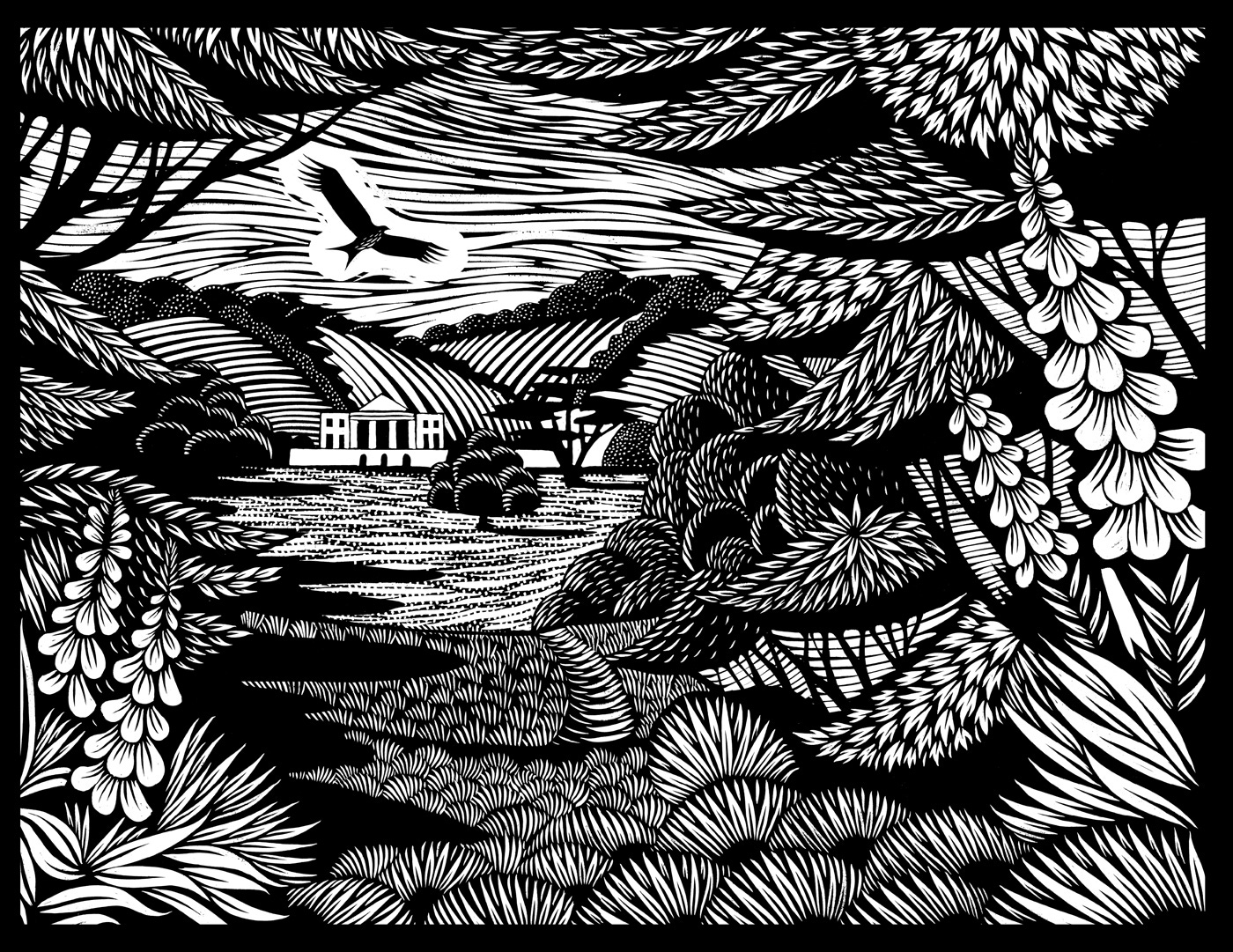
Have you read this book yet? Do you agree or disagree with my thoughts? Was there something that particularly struck you about the book that I missed out? Let me know in the comments section!
That’s all for this week folks! Remember to subscribe (if you haven’t already!) or share with a pal if you found this newsletter interesting
The Grumpy Optimists 💚