


Happy Monday. 👋
Happy belated New Year, welcome back to the first dose of grumpy optimism of 2026 and the 150th issue of all time. Wild. It’s been over 5 years since I started writing this blog and built Zevero. In that time a lot has changed, but my appetite to find optimism in the world has not.
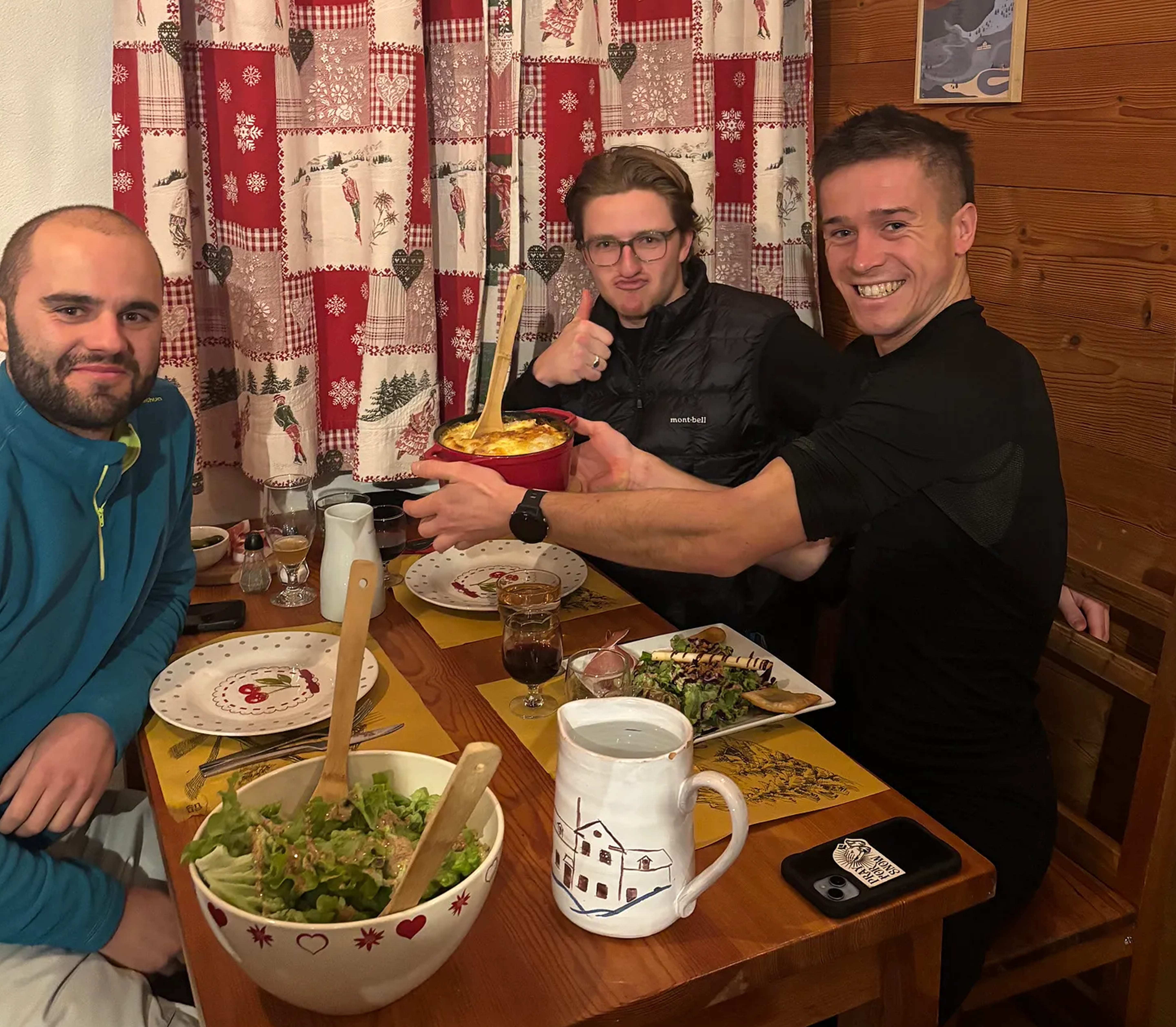
I spent the first full week of the year snowboarding in France. Coming back on a 12-hour train with a sore coccyx from the first few days and plenty of fun in powder over the remaining days. One thing that is clear about people who ski or snowboard is that with the changes in snow conditions over the last 10-15 years, you really can’t deny climate change.
I don’t know about you but I’m optimistic about 2026. I have big plans with Zevero and my life.
Before you dig into the good news this week, I’d love to know, what goal have you set that will make 2026 a great year for you? Here’s just two of mine.
Complete my 70.3 Ironman in Zell am See
Be more analog and purposeful with my time (I’ve spent too much on moleskins to not make this stick)
👀 News to make you feel good this week
🐠 Restoring coral reefs could boost seafood yields by 50%. Research from the Smithsonian Tropical Research Institute shows that allowing overfished coral reef populations to recover could boost sustainable seafood yields by nearly 50%. The study found that recovery could generate between 20,000 and 162 million additional sustainable fish servings per country annually, enough to meet recommended seafood intake for up to 1.4 million additional people per year. Countries with higher malnutrition indexes stand to benefit most from recovered reef fish stocks.
⚡ UK secures record-breaking 8.4GW of offshore wind capacity. The UK has approved a major offshore wind farm capable of powering around 12 million homes by the end of the decade. This €22 billion investment is a major step toward the UK’s Clean Power 2030 goals and will support an estimated 7,000 new jobs while strengthening domestic energy security. This comes after last year’s failed auction, signalling that offshore wind is investable again.
💭 My thoughts? The real challenge isn’t generation anymore – it’s grids, planning, and system readiness. If those don’t move faster, we’ll miss the benefits, and consumers won’t see the full value of green energy. But this is still a massive win after 2024’s disappointment.
🌬️ Wind farms cut power prices by almost a third in 2025. The average price of electricity traded on day-ahead markets last year was around £83 per megawatt-hour, but could have been as high as £121 per MWh without British windfarms limiting the role of gas power plants in setting prices. The saving of around £38 per MWh amounts to a price cut of 31%. This builds on savings of 25% in 2024, showing the growing impact of renewable energy on energy bills.
📊 Nathaniel Bullard’s energy transition charts. If you want a clear-eyed view of the energy transition, Bullard’s charts remain some of the best out there. They show steady progress across renewables, electrification, and clean energy investment, but also how slow and uneven that progress really is when viewed at system level. The transition is happening, just not in a neat, linear way.
💭 My thoughts? These are a useful reminder that neither hype nor despair is accurate. The energy transition is grinding forward, constrained by capital, infrastructure, and politics. That perspective feels especially important when narratives swing wildly from breakthrough to backlash.
🦜 How a ‘dysfunctional’ English farm became a biodiversity hotspot. The Knepp rewilding estate in Sussex has recorded a 900% increase in breeding birds in just 20 years. Imperilled species such as the turtle dove and nightingale, which have experienced shocking declines across much of the UK, saw their numbers increase by 600% and 511% respectively at Knepp. Butterfly numbers have doubled in some areas, while dragonflies and damselflies have increased by nearly 900%.
💭 My thoughts? “We have gone from a depleted, polluted, dysfunctional farmland to one of the most significant biodiversity hotspots in the UK,” said Isabella Tree. This shows what’s possible when we work with nature rather than against it.
🌊 High Seas Treaty enters into force. The landmark High Seas Treaty, formally known as the Agreement on Biodiversity Beyond National Jurisdiction, entered into force on 17 January 2026. This historic agreement provides a framework for governance of about half of our planet’s surface and 95% of the ocean’s volume. It will make it possible to establish marine protected areas in the high seas, regulate the exploitation of marine genetic resources, and assess the environmental impact of current and future human activities. The Agreement has been ratified by 81 Parties, including the EU and 16 of its Member States.
🗺️ New map reveals landscape beneath Antarctica in unprecedented detail. Scientists have created the most complete, detailed map of Antarctica’s “underbelly” ever made, revealing thousands of previously undiscovered hills and ridges beneath the ice. The new approach combines satellite data with physics to understand what the continent looks like beneath ice that’s up to three miles thick in places. A more detailed understanding of these landforms could improve computer models of how Antarctica might change in future – crucial for predicting sea-level rise.
💼 How to make your workplace more eco-friendly. From ride-to-work challenges to waste-conscious catering, making your office more environmentally minded doesn’t have to be a slog. The Guardian’s latest piece offers practical tips on everything from rebooting the commute (encouraging cycling and remote work) to getting waste systems in order and don’t forget to turn off the lights. Transport is one of the fastest ways to cut emissions in the workplace, and even cycling twice a week can really help lift staff morale and health while reducing emissions.
🍽️ Singapore university trials carbon-labelled meals on campus. A university in Singapore is piloting carbon labels on campus meals, giving students visibility into the emissions associated with different food choices. The aim is not to restrict options, but to make carbon a normal part of everyday decision-making, much like calories or price.
💭 My thoughts? This is information design done well. Carbon labels will not transform diets overnight, but they help normalise the idea that emissions sit behind ordinary choices. Over time, that cultural shift matters more than any single intervention.

🌱 The world’s first biodiversity-focused VC fund. A new venture capital fund is explicitly targeting biodiversity, marking a shift away from carbon-only climate investing. Unlike emissions, biodiversity is local, complex, and hard to measure, which is exactly why it has historically struggled to attract capital.
💭 My thoughts? This feels overdue. If capital cannot learn how to value nature properly, we will keep optimising the wrong things. This is early, experimental, and risky, but that is what meaningful innovation usually looks like at the start.
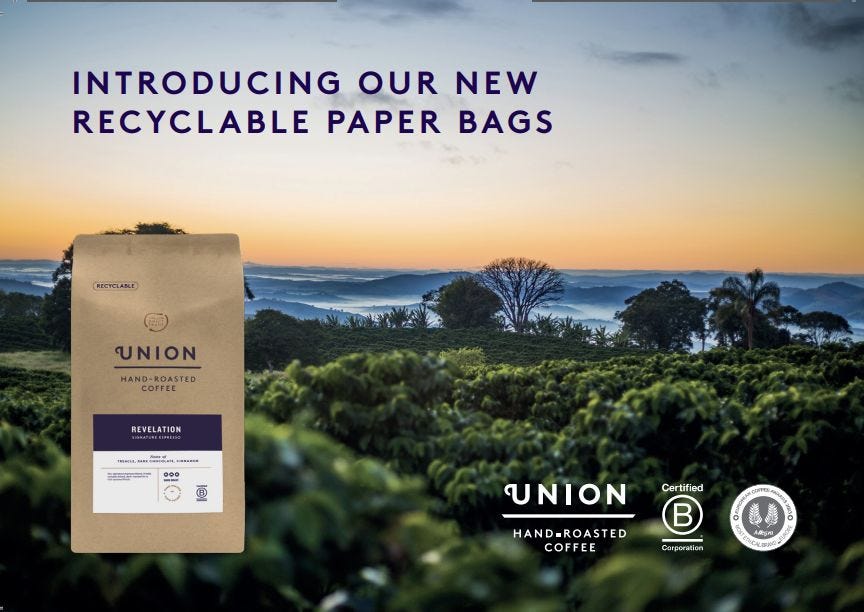
📦 Union coffee switch all D2C packaging to recyclable. Packaging is a nightmare to get right. Over the last few years we’ve seen brands adopt ‘biodegrable’ plastics for things like coffee, but that doesn’t mean it’s actually going to break down. I’ve seen a lot of brands shift away from this, with Good and Proper Tea going back to traditional plastic that can actually be recycled and now Union shifting to paper-based packaging.
AI and Energy: A Complex Picture
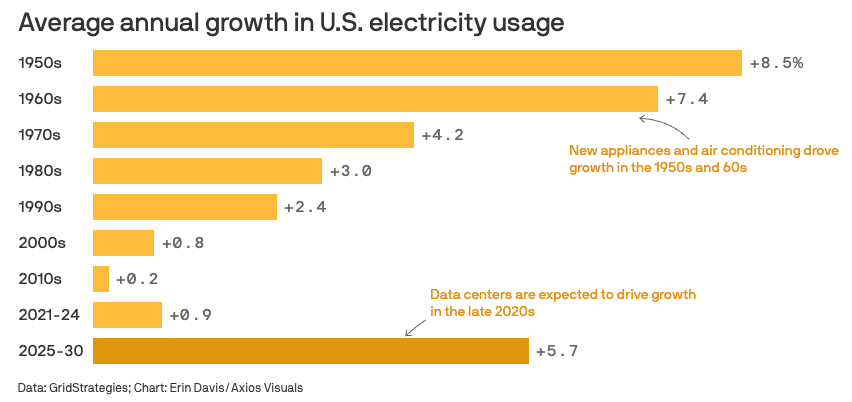
I’m also keeping a close eye on the AI and energy story. We’ve seen rapid demand for energy from AI usage. That comes with it some good and a fair bit more bad right now. However, we are increasingly seeing major corporations look to boost renewable energy production in order to maintain AI growth while limiting emissions. Meta recently unveiled a series of major nuclear energy deals to power U.S. data centres and Toyota are building wind turbines to power data centres in Japan. Meanwhile, Trump is pushing tech companies on power costs as AI data centres demand more energy. It’s a reminder that AI may reshape sustainability efforts in 2026, but the energy demands are real and need addressing.
💭 My thoughts. There’s a lot here that’s genuinely encouraging. But almost every positive signal comes with a constraint attached. Energy. Infrastructure. Time.
That’s all from me folks. Here’s to a week of progress, both big and small. This week’s music recommendation is a very vibey jazz number that made its way to the holiday playlist.
George, the Grumpy Optimist 💚