


Happy Monday. 👋
Here’s the news to make you feel a bit better about the state of the world this week.
Welcome to another edition of The Grumpy Optimists. If you’re feeling like the climate news cycle is relentless, here’s your reminder that progress is happening. From Africa’s solar boom to China’s clean energy revolution, from snails making a comeback to soil holding the key to flood prevention.
This week’s roundup is packed with stories that show what’s possible when we invest in solutions, support regenerative practices, and give nature a chance to recover.
Let’s dive in.
👀 News to make you feel good this week
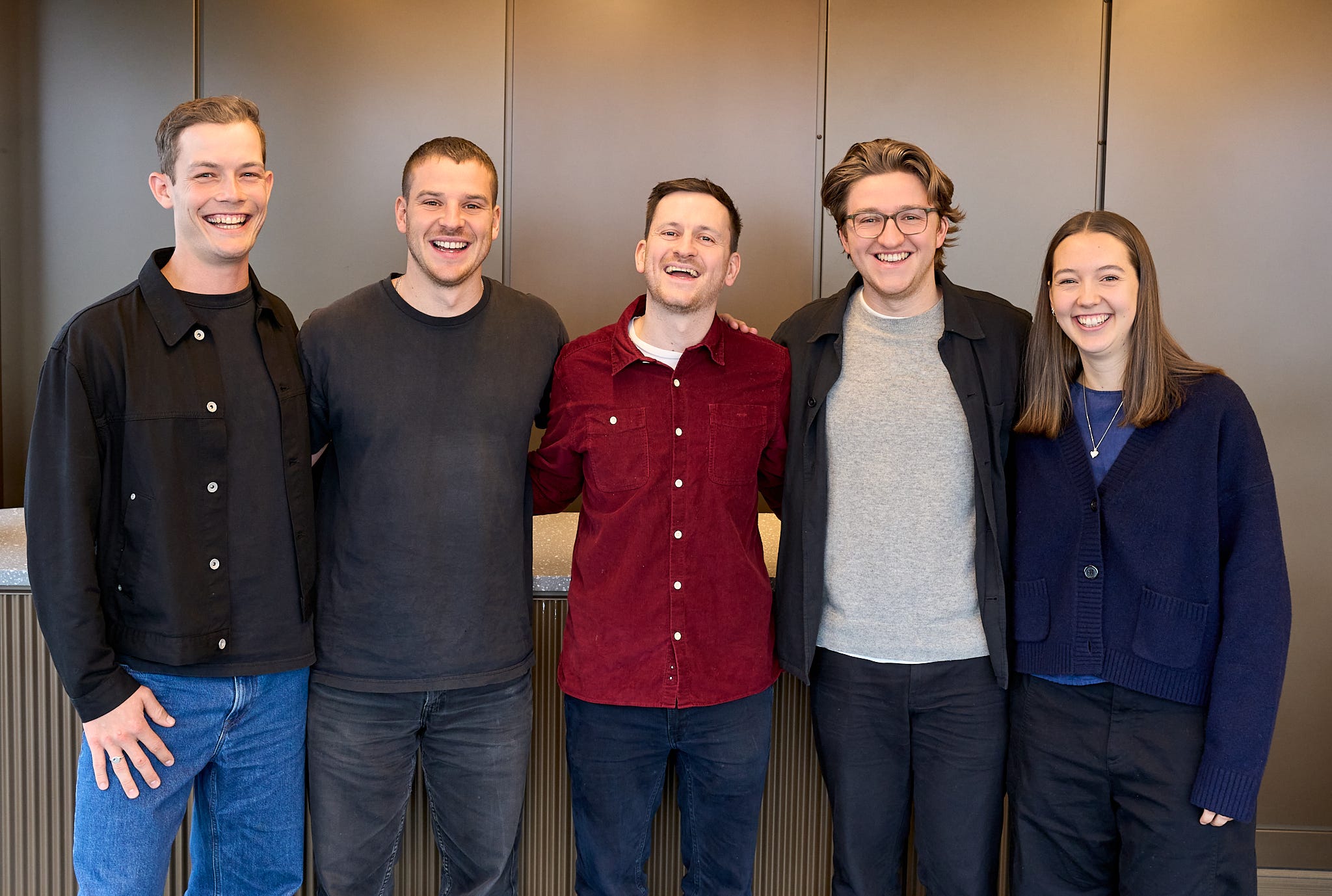
🎉 Zevero acquires Inhabit. The company I co-founded, Zevero, has officially acquired sustainability service provider Inhabit, bringing expert climate advisors and a strong portfolio of European clients onto the platform. Sam and the team are incredible humans and have some great customers and I’m excited to get this one over the line and see how we can grow together.
Quick note, we’re looking for more deals to help us grow…so if you know somebody I’m all ears.
☀️ Africa records its fastest year of solar growth as installations rise 54% year-on-year. Africa installed approximately 4.5 GW of new solar PV capacity in 2025, representing a 54% year-on-year increase and marking a sharp acceleration across regions. The number of countries installing 100MW or above essentially doubled from 4 to 8, showing that solar deployment is spreading beyond early leaders. South Africa led with 1.6 GW, followed by Nigeria (803 MW), Egypt (500 MW), and Algeria (400 MW).
💭 My thoughts? What’s remarkable here is the diversification. This isn’t just about a few big markets anymore, it’s about solar becoming accessible and economically viable across the continent. The fact that distributed capacity (rooftop and commercial) now represents 44% of installations shows this is being driven by real demand from households and businesses, not just government-led projects.
🇬🇧 UK renewable energy just had its best January ever. January 2026 marked a record-breaking month for UK renewable energy, with wind, solar and hydro providing 64% of Britain’s electricity generation. Wind power alone generated 11.9 TWh, smashing the previous January record by over 20%. Gas-fired generation fell to just 19.5% of the total mix, while coal generation remained at zero for the entire month. Progress is happening.
🇨🇳 Clean energy drove more than a third of China’s GDP growth in 2025. Solar power, electric vehicles, and other clean-energy technologies contributed a record 15.4 trillion yuan ($2.1 trillion) in 2025 – some 11.4% of China’s GDP. That’s comparable to the entire economy of Brazil or Canada. Clean-energy sectors contributed more than 90% of the rise in investment. EVs and batteries were the largest growth drivers, delivering 44% of the economic impact.
💭 My thoughts? This is massive. Without clean-energy sectors, China would have expanded by 3.5% instead of 5.0%, missing its growth target entirely. The scale of investment here – $1 trillion in clean energy versus $260 billion in fossil fuels – shows where the smart money is going.
🌊 Trump-halted offshore wind project to proceed. Despite earlier political headwinds, a major offshore wind project that was previously halted is moving forward, demonstrating the resilience of the renewable energy transition even in challenging political environments.
🌾 Why soil coverage matters for flood prevention. A simple demonstration from Climate Farmers shows how soil health affects flooding. Bare soil sheds water and erodes, dead cover absorbs some, and living cover allows water to infiltrate and drain. Supporting farmers to build soil cover could significantly reduce flood damage while improving resilience.
💭 My thoughts? This is a solution hiding in plain sight. We talk a lot about flood impacts, far less about degraded soils that make them worse.
🐌 Bermuda snail thought to be extinct now thrives after a decade’s effort. Once reduced to fewer than 200 individuals, the greater Bermuda snail has been brought back from the brink. After a decade of coordinated conservation work, more than 100,000 snails have now been bred and released, with stable populations established across six protected sites.
🐑 China’s desert solar farms are creating unexpected oases through “solar grazing”. In China’s Gobi Desert, massive solar installations are doing double duty, generating clean energy while reversing desertification. The shade from solar panels creates cooler microclimates and reduces water evaporation, allowing vegetation to flourish beneath them.
🌊 Norway bans deep-sea mining until 2029 in major policy reversal. Norway has halted all deep-sea mining exploration and development in Arctic waters until at least 2029, marking a dramatic U-turn for one of the industry’s strongest proponents. The decision came after sustained pressure from environmental groups, scientists, and green opposition parties. The government will also end public funding for mapping deep-sea minerals, effectively stopping the world’s first attempt at commercial seabed mining before it could begin.
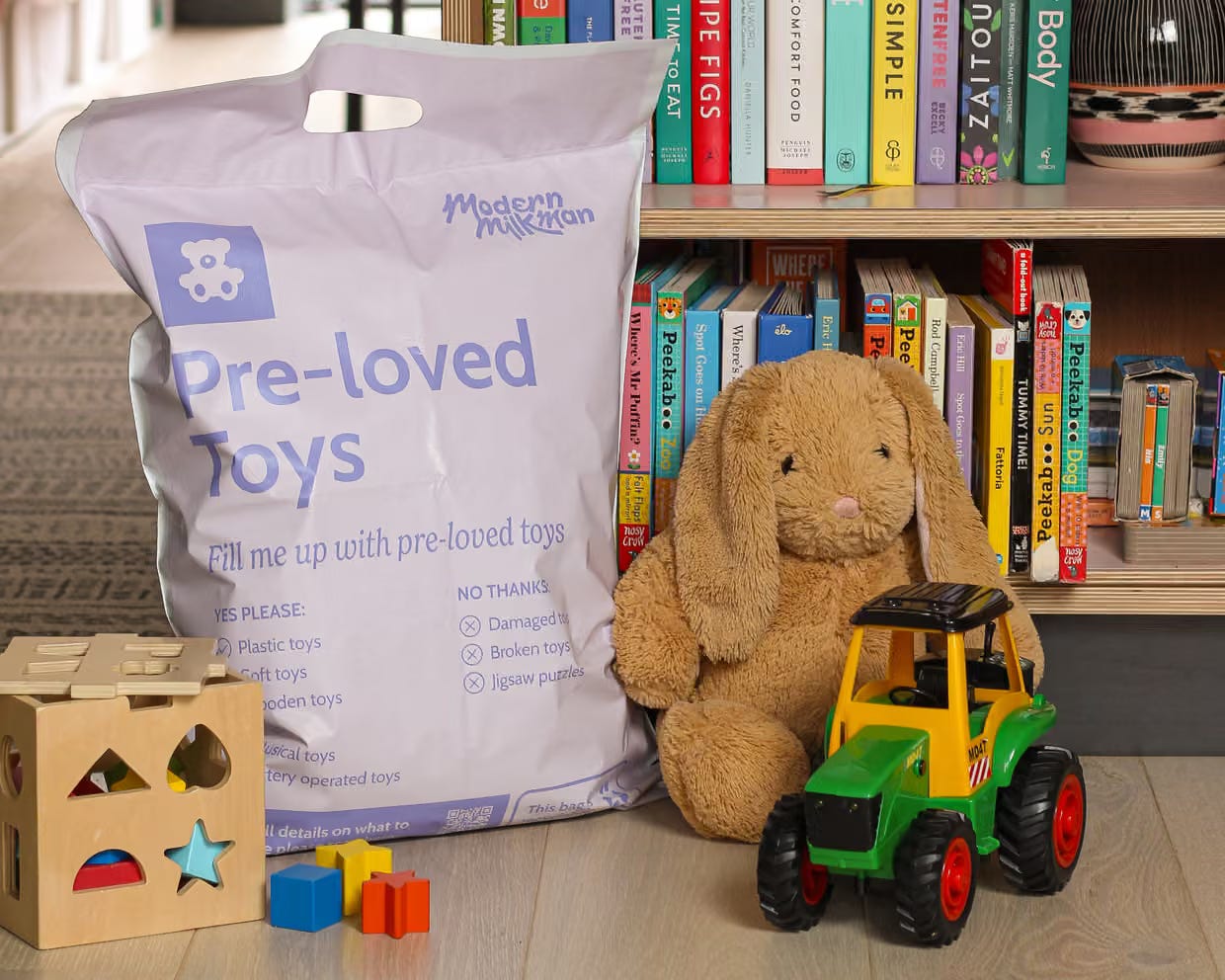
♻️ Modern Milkman to collect unwanted electronics and toys with deliveries. Modern Milkman is expanding its doorstep delivery model to collect unwanted electronics and toys at the same time. By using existing delivery routes, the scheme makes reuse and recycling easier for households while reducing the need for separate collection services. A small operational change, but one that removes friction from circular behaviour.
🏗️ EPDs now searchable in one place, helping the built environment decarbonise. Emidat has made it possible to search and compare Environmental Product Declarations from around the world in one place. By the way, EPDs are basically emission footprints. This makes it easier for sustainability teams to access comparable, third-party verified data to make better decisions on what materials are the lowest carbon.
This week’s music recommendation is a beautiful track by Sienna Rose called ‘Into the Blue’. For many (mainly those in the Northern Hemisphere), January and February can feel pretty blue, which is understandable. I have been thinking a lot about finding comfort in winter, and Wintering by Katherine May is a great introduction to that mindset. That said, I am still very much dreaming of lighter mornings and longer evenings.
Have a great week!
George, the Grumpy Optimist 💚