


Happy Monday. 👋
Welcome to this week’s The Grumpy Optimists. The brief moment of sunshine here in the UK last week has helped lift my mood so it’s a good day to have a good day.
This week two big numbers landed that I think belong together: UK emissions hit their lowest point in over 150 years, and clean energy drove more than a third of China’s GDP growth in 2025. I’ll come back to both. But first, let’s get into the stories.
👀 News to make you feel good this week
🇬🇧 UK emissions fall 2.4% in 2025 as coal hits a 400-year low. UK greenhouse gas emissions are now at their lowest level since 1872. Coal use has dropped to levels not seen since 1600, when Elizabeth I was on the throne and Shakespeare was writing Hamlet. Most of this is structural: the last coal power station closed in 2024, the steel industry has been contracting, and gas use is at a 34-year low. The UK’s emissions are now 54% below 1990 levels while GDP has grown 84% over the same period. That statistic deserves to be repeated more often.
🇨🇳 Clean energy drove more than a third of China’s GDP growth in 2025. China’s clean energy sectors contributed $2.1 trillion to the economy last year, equivalent to roughly 11% of GDP. If those sectors were a country, they would be the 8th largest economy in the world. Without them, China would have missed its 5% growth target entirely. EVs, batteries and solar are no longer a climate story in China. They are the economy.
💭 My thoughts? The story of the energy transition is increasingly an economic one. The countries and companies moving fastest on clean energy are not sacrificing growth. In many cases they are driving it. The argument that we can’t afford to act is running out of runway.
🌍 Nature and people
🌊 Brazil’s hiking trails are becoming a tool for conservation. New long-distance trails through Brazil’s biomes are connecting communities to wild landscapes and giving local economies a reason to protect them. Tourism and conservation are not always natural allies, but when they are, it tends to stick.
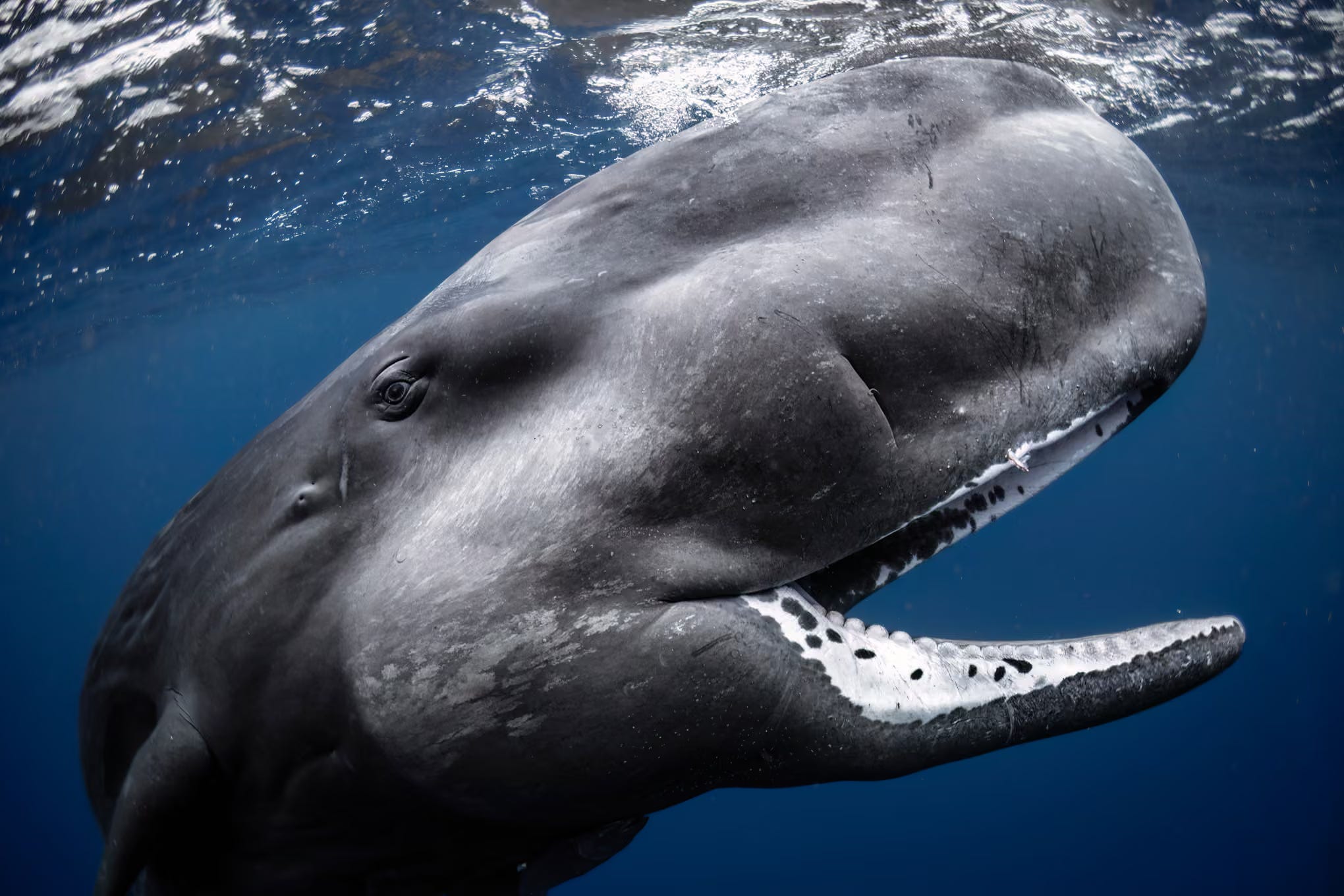
📸 Underwater Photographer of the Year 2026. Sharing just because it’s cool and worth seeing.
👩 Twelve women carrying the flame for climate action despite the headwinds. Yesterday was international women’s day so I thought it was a great time to share this story from Reuters about twelve women leading climate action globally right now. Worth reading this week in particular.
🏭 Industry moving
🧴 L’Oréal signs deal to turn captured CO₂ into packaging. A startup called Dioxycle uses carbon electrolysis to convert captured industrial emissions into ethylene, the building block of polyethylene plastic. L’Oréal has signed a multi-year deal to use the output in its packaging. This is the kind of thing that sounds niche but matters: packaging plastics are a huge Scope 3 emissions source for consumer goods companies. Replacing fossil-derived plastic with captured-carbon plastic is not a silver bullet, but it is a real piece of the puzzle.
🌞 Nigeria launches $750 million mini-grid solar initiative. A World Bank-funded programme aiming to provide electricity access to 17.5 million Nigerians through 1,350 solar mini-grids. About half of Nigeria’s 230 million people have no reliable grid access. This programme aims to replace 280,000 diesel and petrol generators with clean alternatives. The scale is significant and the model, private sector-led with public subsidy, is increasingly the template for energy access across Africa.
🇰🇷 Korea plans mandatory sustainability reporting from 2028. Another major economy moving towards mandatory climate disclosure. The direction of travel globally is clear, even if the pace varies.
🎬 One to watch
And finally, the LinkedIn post your algorithm probably surfaced but you might have scrolled past: this one is worth a look.
It’s about a Dutch campaign called NK Tegelwippen that encourages people to rip up paving tiles and replace them with plants. Sounds small, but it adds up: since launching, citizens and cities have removed more than 50 million tiles.
Why it matters? Around half of gardens in the Netherlands are paved, which increases flood risk, raises temperatures by up to 10°C and wipes out space for birds, bees and plants.
The clever bit: cities compete to remove the most tiles. Current leader Venlo, with more than 270,000 tiles removed. My favourite fact is that “Green residents” go 20-25% less often to the general doctor, with things like depression and migraines. Wild!
That’s it for this week. Music recommendation for the week is Without Your Love by The Paper Kites and Julia Stone, it’s been a real sing in the shower number this week.
George, the Grumpy Optimist 💚